
Digital Dentures Vs Traditional Dentures: What's the Difference?
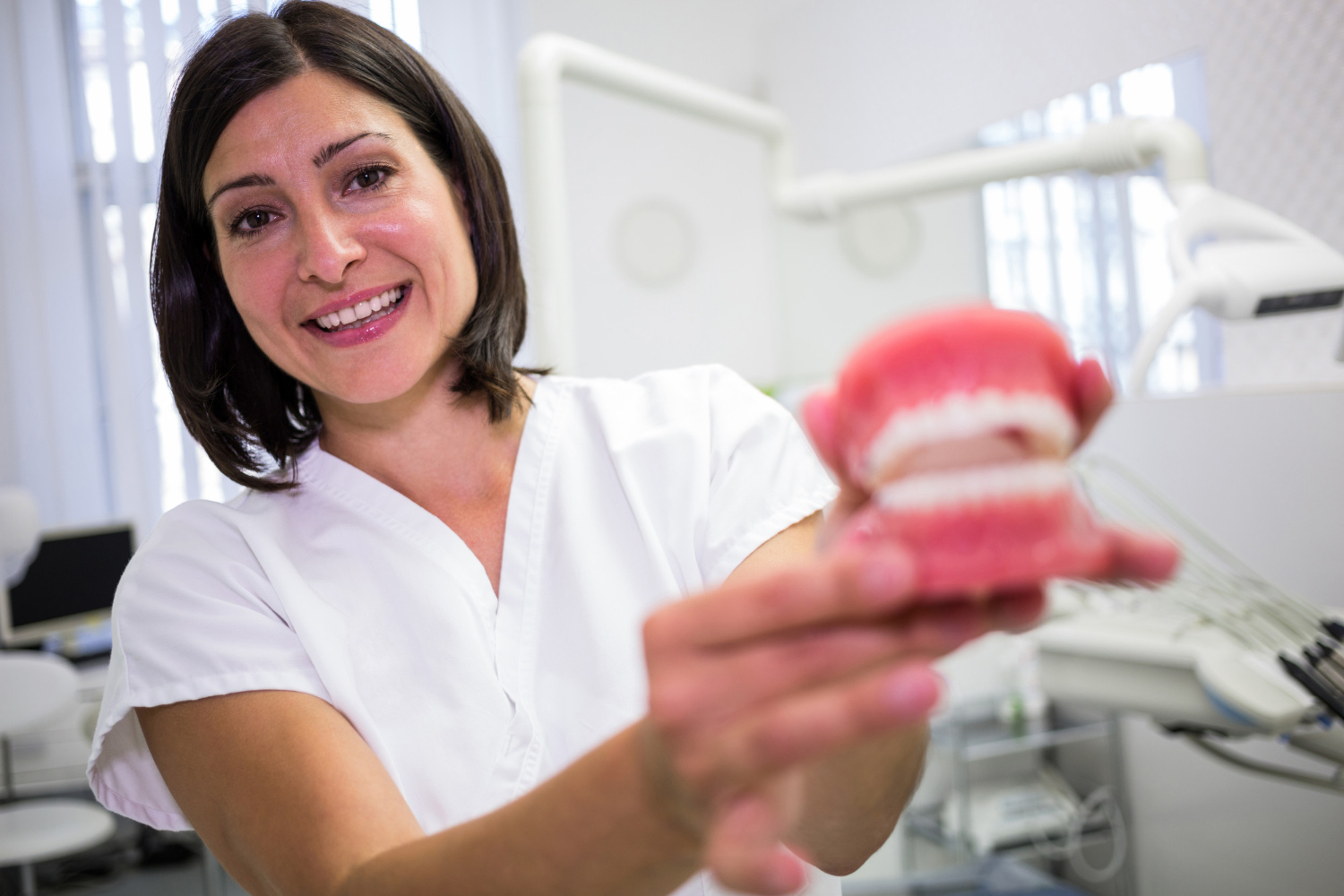
Restoring your smile after tooth loss can improve your confidence, your ability to eat, and your overall quality of life. For decades, traditional dentures served as the primary solution. However, recent dental innovations now offer a faster, more precise alternative: digital 3D printed dentures.
At Jolie Smiles, we use cutting-edge technology to redefine the denture experience. Led by Dr. Caroline Truong, our practice focuses on providing restorative solutions that feel natural and fit perfectly.
At our practice, we know it's valuable that our patients are educated on their oral health. This blog will help people feel more confident in their decision between digital dentures vs traditional dentures. We will start with defining digital and traditional dentures, then we will compare them so you can make an informed decision.
What Are Digital Dentures?
3D printed dentures, often referred to as digital dentures, represent a significant leap forward in dental prosthetics. They are custom-made prosthetic teeth created using digital technology.
The Fabrication Process
The workflow for creating digital dentures includes:
- CAD Design: Using Computer-Aided Design software, we plan every detail of your denture, including tooth placement, occlusion, and smile aesthetics.
- CAM Fabrication: The dentures are milled or 3D printed from a high-quality, pre-cured resin that resists shrinkage, cracks, and wear.
Digital dentures are often thinner, lighter, and more precise than traditional acrylic dentures. In many cases, patients can receive their dentures the same day or within just a few appointments.
What Are Traditional Dentures?
Traditional dentures have been a trusted solution for decades. Traditional dentures are removable, custom-made prosthetic devices that replace missing teeth and gum tissue. They consist of a flesh-colored acrylic base that rests on the gums. The upper denture covers the palate, while the lower denture has a horseshoe shape to leave space for the tongue.
The Fabrication Process
Creating traditional dentures involves multiple steps:
- Impressions: Dentists take molds of your mouth using putty-like materials.
- Model Creation: The impressions form plaster models of your teeth and gums.
- Wax Try-In: A wax replica is made for fit adjustments.
- Final Denture: After several appointments and refinements, the final denture is crafted and fitted.
While effective, traditional dentures can take weeks to complete and often require multiple adjustment appointments. They are typically made from acrylic resin, which can wear down over time and sometimes require repairs.
Digital Dentures vs Traditional Dentures: Key Differences
Accuracy and Fit
Traditional dentures rely heavily on manual impressions and technician skill, which can introduce errors. Digital dentures capture your mouth digitally, allowing for a precise, individualized fit. This reduces the need for multiple adjustments and provides a more comfortable bite.
Time Efficiency
Creating traditional dentures can take weeks with multiple office visits for molds, try-ins, and fittings. Digital dentures streamline the process: scans, design, and in-house fabrication often result in same-day or next-day delivery. This is particularly helpful for patients who want minimal downtime or temporary dentures.
Comfort and Function
Because digital dentures are designed from exact 3D scans, they sit more naturally in your mouth. The lighter, thinner design reduces bulk and irritation, while proper alignment improves chewing and speech. Traditional dentures can feel heavier or require ongoing adjustments to improve comfort.
Durability
Digital dentures are made from high-strength resin that can withstand daily use better than conventional acrylic. They are less prone to cracking, warping, or wearing down, providing a longer-lasting solution with fewer repairs.
Aesthetics
Digital dentures allow precise control over tooth shape, color, and placement. The result is a natural-looking smile that complements your facial features. While traditional dentures can also be customized, the manual process can sometimes limit fine detail and symmetry.
Maintaining Your Dentures
Proper care is key to keeping any set of dentures comfortable, functional, and long-lasting. While traditional dentures and 3D printed digital dentures share some care techniques, there are important differences to note.
Traditional Dentures: These dentures are usually soaked overnight in water or a denture-cleaning solution to prevent them from drying out. Daily cleaning with a soft-bristled brush and non-abrasive cleaner helps remove food particles and plaque. Because acrylic can be prone to staining or warping, it’s important to avoid hot water and to schedule regular dental check-ups for adjustments and repairs.
3D Printed Digital Dentures: Digital dentures are made from high-strength resin, which is more durable and resistant to wear than traditional acrylic. Unlike traditional dentures, they should be stored dry in a clean, covered container overnight rather than soaked. Daily cleaning with a soft-bristled denture brush and non-abrasive cleaner is still essential, and cool or lukewarm water should be used to avoid warping. These dentures generally require fewer adjustments over time, but regular dental visits are still recommended to ensure proper fit and check for any minor repairs.
Making the Right Choice
Choosing between digital dentures vs traditional dentures depends on your priorities. Digital dentures offer precision, comfort, and efficiency, while traditional dentures are a proven, widely available option.
At Jolie Smiles, we guide patients through both options, ensuring you select the solution that best suits your oral health, lifestyle, and smile goals. If you’re in Odessa, Florida, or nearby areas and want to explore digital or traditional dentures, contact our specialists.