
Foods to Avoid After Full Arch Dental Implants: A Complete Guide
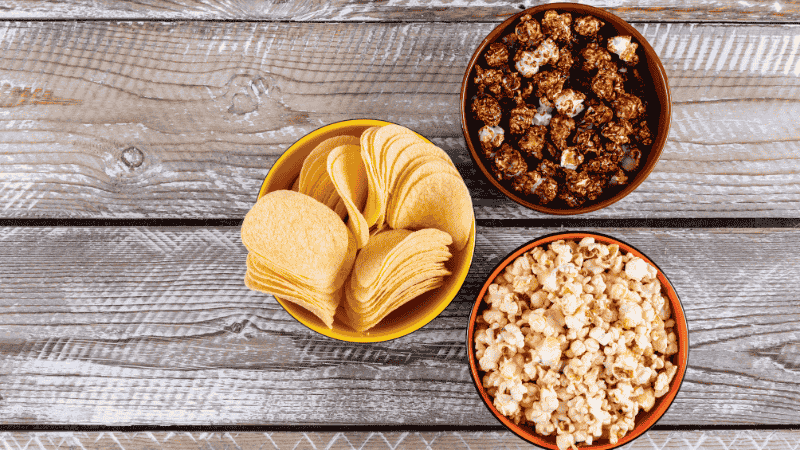
Getting full arch dental implants is a big step toward a healthier smile. But what you eat after surgery matters just as much as the procedure itself. The wrong foods can slow down healing, cause pain, or even damage your new implants.
Knowing which foods to avoid after full arch dental implants is essential for a smooth recovery. Hard, crunchy, sticky, and chewy items can put pressure on your healing gums or get stuck around the implant sites.
Sticky foods like caramel and gum make cleaning difficult and increase bacteria buildup. Hard items such as nuts and chips can irritate your gums or even shift the implants before they have a chance to settle properly.
Your body needs time to heal properly after this surgery. Making smart food choices during recovery helps your implants bond with your jawbone and reduces your risk of infection. This guide will show you exactly which foods to skip and what to eat instead so your recovery goes smoothly.
Key Takeaways
- Hard, crunchy, sticky, and chewy foods should be avoided to protect healing implants and prevent complications
- Soft, protein-rich foods and liquids help reduce swelling and supply nutrients your body needs for proper healing
- Following dietary guidelines during recovery and maintaining good oral hygiene ensures long-term implant success
Why Certain Foods Should Be Avoided After Full Arch Dental Implant Surgery
Your food choices directly affect how well your implants heal and bond with your jawbone. Eating the wrong foods can damage the surgical site, slow down recovery, and even cause your implants to fail.
How Food Impacts Osseointegration and Healing
Osseointegration is the process where your dental implants fuse with your jawbone. This process takes several months and is critical for the long-term success of your full arch implants.
Hard or crunchy foods can put too much pressure on the implant site during this delicate phase. When you bite down on foods like nuts, raw vegetables, or crusty bread, you create force that can disturb the implants before they fully integrate with the bone.
Your body needs specific nutrients to build new bone tissue around the implants. Eating protein-rich, soft foods helps supply your body's building blocks needed for successful bone fusion.
Hot beverages and spicy foods can increase blood flow to the surgical area, which may cause more swelling and discomfort. Temperature extremes can also irritate sensitive tissue that's trying to heal.
Risks of Improper Diet After Surgery
Sticky and chewy foods can get trapped in the implant site and cause infection. Infections at the surgical site can lead to implant failure and require additional treatment.
Hard foods pose several specific risks:
- Can crack or dislodge the implant
- May cause the implant to become loose
- Put excessive strain on healing tissue
- Delay the overall recovery timeline
Alcohol consumption can interfere with the healing process and may interact badly with pain medications or antibiotics your dentist prescribed. Your body needs all its resources focused on healing, not processing alcohol.
Acidic foods like citrus fruits and tomatoes can increase sensitivity around the implant area. They may also irritate the gums and slow down tissue repair.
Common Post-Operative Complications Linked to Diet
Implant displacement happens when you eat foods that require too much chewing force before the implants have stabilized. Biting into an apple or chewing tough steak can shift the implant position.
Infection and inflammation often result from food particles getting stuck around the surgical site. Seeds from strawberries or raspberries, popcorn kernels, and small nuts are common culprits that lodge in healing tissue.
Eating crusty bread or chips with sharp edges can irritate or damage the implant site, creating small cuts in your gums. These openings allow bacteria to enter and cause problems.
Delayed healing occurs when your diet lacks proper nutrients or includes foods that cause irritation. Poor nutrition means your body takes longer to build new bone and repair tissue around the implants.
Some patients experience discomfort, increased pain, and swelling when they ignore dietary restrictions. This discomfort can extend your recovery period and make it harder to maintain good oral hygiene during a critical healing phase.
Just had surgery and unsure what to eat? Our team at Odessa, FL, provides clear dietary guidelines to keep you comfortable and protect your new implants during the critical healing phase.
Foods and Drinks to Strictly Avoid After Surgery
After full arch dental implant surgery, certain foods can damage the surgical site and slow down healing. Avoiding hard, sticky, spicy, and hot items protects your implants and helps your mouth recover properly.
Hard and Crunchy Foods
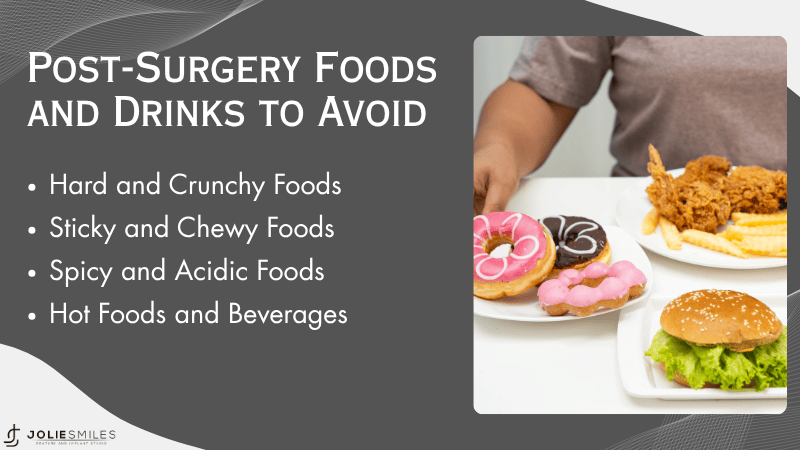
Hard and crunchy foods can put too much pressure on your new implants and disturb the healing process. You need to stay away from nuts, popcorn, hard candies, raw vegetables like carrots and celery, chips, and pretzels.
These foods to avoid after dental implant surgery can create sharp edges that might cut your gums or push against the implant sites. Ice is another item you should never chew on during recovery.
Even foods like crusty bread, toast, and crackers can be too tough for your healing mouth. The chewing motion required for these items puts stress on the surgical area that can lead to complications.
Sticky and Chewy Foods
Sticky and chewy foods create problems because they can pull at your surgical sites and get stuck around your implants. Caramel, taffy, gum, and gummy candies are major items to avoid.
These foods can also be hard to clean off your teeth and implants. When sticky residue stays in your mouth, it increases your risk of infection during the healing period.
Chewy meats like steak and dried fruits can also cause issues. They require a lot of jaw movement and pressure that your mouth isn't ready for right after surgery. Even peanut butter can be problematic because it sticks to the roof of your mouth and around the implant sites.
Spicy and Acidic Foods
Spicy and acidic foods irritate the tender tissues around your new implants and cause discomfort. Hot drinks and spicy soups should be completely avoided during the initial healing phase.
Tomatoes, citrus fruits like oranges and lemons, and their juices are too acidic for your healing mouth. These foods can sting the surgical areas and slow down tissue repair.
Vinegar-based dressings, hot sauce, and curry dishes fall into this category too. Your mouth needs a calm environment to heal properly, and these foods create the opposite effect. Even mild salsa or pickled foods can be too harsh during the first few weeks of recovery.
Hot Foods and Beverages
Hot foods and beverages can damage the blood clots that form at your implant sites and cause bleeding. Coffee, tea, and hot soups need to cool down to room temperature before you consume them.
The heat can also increase swelling and discomfort in your mouth. You should drink your beverages lukewarm or cold for at least the first week after surgery.
Hot foods like freshly cooked pasta, pizza, or grilled items need extra cooling time. Steam from hot dishes can also irritate your surgical sites. Wait until everything reaches a safe, comfortable temperature before eating to protect your healing implants.
Other Dietary Considerations During Recovery
Beyond hard and sticky foods, certain beverages and snack items can interfere with healing after full arch dental implant surgery. Understanding these risks helps you make better choices during your recovery period.
Carbonated and Alcoholic Beverages
Carbonated drinks create pressure and bubbles in your mouth that can irritate the surgical sites. This includes soda, sparkling water, and energy drinks. The carbonation may cause discomfort and disrupt the healing process around your implants.
Alcohol slows down your body's natural healing abilities. It can also interfere with pain medications and antibiotics your dentist prescribed. Beer, wine, and spirits should be completely avoided for at least the first week after surgery.
These beverages can create additional complications during your recovery. Instead, stick with plain water, milk, or lukewarm herbal tea. Staying hydrated with the right drinks supports your body's healing process.
Wait until your dentist gives you approval before having carbonated or alcoholic drinks again. This usually takes at least one to two weeks, depending on how well you're healing.
Foods with Seeds or Small Particles
Small seeds and particles can easily get trapped around your implant sites. Foods like strawberries, raspberries, and blackberries contain tiny seeds that lodge in healing gum tissue. Popcorn kernels and sesame seeds pose similar risks.
These particles are difficult to remove and can lead to infection if they get stuck in the surgical area. Even careful brushing and rinsing might not completely dislodge them.
Foods to avoid include:
- Berries with small seeds
- Popcorn
- Sesame seed products
- Chia seeds
- Poppy seeds
- Quinoa
Choose seedless fruits and smooth foods instead. Bananas, mangoes, and peeled peaches work well. You can return to these foods once your gums have fully healed and your dentist confirms it's safe.
Planning for full arch implants? Contact our team to learn exactly what healing-friendly foods you can have from day one of your recovery.
Sugary and Fried Foods
Sugar promotes bacterial growth in your mouth, which increases infection risk around your new implants. Candy, cookies, and sweetened beverages create an environment where harmful bacteria thrive. This can slow healing and cause complications.
Fried foods are typically hard to chew and may contain crispy edges that irritate tender gum tissue. French fries, fried chicken, and onion rings require too much chewing force when eating with dental implants during recovery.
These foods also lack the nutrients your body needs to heal properly. Focus on protein-rich and vitamin-packed options that support tissue regeneration instead.
Proper aftercare includes choosing foods that promote healing rather than hinder it. Your dietary choices in the first few weeks directly impact how well your implants integrate with your jawbone.
Recommended Foods to Support Healing
Choosing the right foods after your full arch dental implant surgery helps your body heal faster and protects your new implants. Focus on soft textures, high protein content, and staying well hydrated throughout your recovery.
Soft and Nutrient-Rich Foods
Your body needs vitamins and minerals to support the healing process after dental implant surgery. Soft foods that don't require chewing are your best options during the first few weeks.
Excellent choices include:
- Mashed potatoes with butter or gravy
- Scrambled eggs or egg salad
- Greek yogurt with honey
- Applesauce and mashed bananas
- Oatmeal or cream of wheat
- Cottage cheese
- Smoothies with fruits and vegetables
These foods to eat after dental implant surgery provide essential nutrients without putting pressure on your surgical sites. Avoid adding seeds or chunks to smoothies since small particles can get trapped around your implants. Cooked vegetables like mashed carrots, pureed squash, or steamed spinach offer vitamins A and C that support tissue repair.
Protein Sources for Tissue Repair
Protein is critical for healing because it helps rebuild tissues around your dental implants during osseointegration. Your body uses amino acids from protein to repair damaged cells and create new ones.
High-protein soft foods include:
- Scrambled or poached eggs
- Soft fish like salmon or tilapia
- Ground turkey or chicken in soup
- Tofu and silken tofu puddings
- Protein shakes and smoothies
- Hummus and smooth nut butters
- Beans that are well-cooked and mashed
Try to get protein at each meal to give your body constant building blocks for healing. Adequate protein intake promotes tissue regeneration and helps the bone fuse properly with your implant posts. If you struggle to eat enough, consider adding protein powder to soups or smoothies.
Hydration and Gentle Meal Ideas
Staying hydrated helps your body flush out toxins and keeps your mouth clean after surgery. Water is your best choice, but you can also drink room-temperature herbal tea and broths.
Easy meal combinations:
- Chicken noodle soup with soft pasta
- Mac and cheese with extra milk
- Mashed sweet potatoes with ground meat
- Risotto with vegetables
- Cream-based soups like potato or butternut squash
Drink water throughout the day rather than waiting until you feel thirsty. Avoid using straws since the sucking motion can disturb your healing sites. Keep meals at room temperature or slightly warm rather than hot to prevent irritation around your implants.
Long-Term Dietary Tips for Dental Implant Success
Once you complete the initial healing phase, you can gradually return to your normal eating habits while making smart food choices that protect your investment and keep your implants healthy for years to come.
Transitioning Back to a Regular Diet
After 3 to 4 weeks of healing, you can slowly introduce more foods into your diet. Start by testing slightly firmer textures like well-cooked vegetables and tender meats. Pay attention to how your mouth feels as you eat.
Wait the full 6 months before eating extremely hard or crunchy foods near the implant area. This gives your jawbone enough time to fuse completely with the titanium posts through a process called osseointegration.
Introduce new foods one at a time so you can identify any that cause discomfort. If something hurts or feels uncomfortable, wait another week or two before trying it again.
Foods to add gradually:
- Cooked vegetables (soft to firm)
- Ground meat, then tender cuts
- Soft breads and rolls
- Fresh fruits (starting with softer varieties)
Maintaining Implant Health Through Nutrition
Your long-term dietary habits affect dental implant success even after you finish healing. Avoid sticky foods like caramel and taffy that can pull on your implants or get trapped around them. Hard candies, ice cubes, and popcorn kernels can chip or crack your implant crowns just like natural teeth.
Eat plenty of calcium-rich foods like dairy products, leafy greens, and fortified cereals to keep your jawbone strong. Protein from fish, chicken, eggs, and beans helps maintain healthy gum tissue around your implants.
Limit sugary and acidic foods that increase bacteria growth and can lead to infections around the implant site. Drink water throughout the day to wash away food particles and keep your mouth clean between brushings.
Protect your investment with proper nutrition and care. Contact Jolie Smiles in Odessa, FL, for personalized guidance on maintaining your implants for years to come.
Frequently Asked Questions
After full arch dental implant surgery, patients often wonder what they can safely eat and how to protect their new implants during recovery. The healing process typically takes several weeks, and avoiding hard, crunchy, sticky, and hot foods helps prevent complications and supports proper bone integration.
What types of food should I avoid immediately following dental implant surgery?
You should avoid hard, crunchy, sticky, chewy, hot, spicy, and acidic foods right after your surgery. Hard foods like nuts, chips, raw vegetables, and crusty bread can put pressure on your implant sites and damage stitches.
Sticky foods such as caramel, taffy, and chewing gum can pull on your gums and get trapped around the surgical area. This increases your risk of infection.
Hot foods and beverages can delay healing by increasing blood flow to the surgical site. Spicy and acidic foods can irritate your sensitive gum tissue and upset the pH balance in your mouth.
How long should I wait before eating solid foods after getting a full arch dental implant?
Most patients can return to eating normally within 2 to 3 weeks after their surgery. Your specific timeline depends on how well you heal and whether you had additional procedures like bone grafting.
You should stick to soft foods for the first 10 to 14 days after your procedure. Start with liquids and very soft foods for the first few days, then slowly advance to other soft options as you feel comfortable.
Your dental team will examine your healing progress during follow-up appointments. They will tell you when it's safe to add more solid foods back into your diet.
Are there any specific foods that could harm my new dental implants?
Yes, several foods can damage your new implants during the healing period. Popcorn kernels, hard candy, ice, and crusty bread can apply too much force to the implant site before it fully bonds with your jawbone.
Chewy meats, dried fruits, and sticky candies can pull on your surgical site and disturb the healing tissue. Carbonated beverages create pressure in your mouth that can interfere with recovery.
Alcohol should also be avoided because it slows healing and can interact with your pain medications or antibiotics. Citrus fruits, tomato sauce, and vinegar-based dressings are too acidic for your healing gums.
Why is it recommended to avoid certain foods after implant surgery?
Your implants need time to bond with your jawbone through a process called osseointegration. Eating the wrong foods too soon can disrupt this process and cause your implants to fail.
Choosing soft, nutrient-rich foods minimizes discomfort and inflammation while supporting proper healing. Hard or sticky foods can damage stitches, irritate the surgical site, or even loosen the implant before it fully integrates.
Your body also needs specific nutrients to heal effectively. The right diet provides vitamins and minerals that support healthy tissue and bone growth around your implants.
What are the risks of eating hard or crunchy foods too soon after dental implant surgery?
Eating hard or crunchy foods before your mouth heals can cause several serious problems. You might damage or tear your stitches, which would delay healing and increase pain.
Too much pressure on the implant site can prevent proper bone integration. In severe cases, the implant could become loose or fail completely before it bonds with your jawbone.
Hard foods can also cause pain, swelling, and bleeding at the surgical site. If food particles get stuck around the implant, they can lead to infection and other complications.
How can I ensure that I do not dislodge my new dental implants while eating?
Chew on the opposite side of your mouth from where your implants were placed. This keeps pressure off the healing area and protects the surgical site.
Cut your food into small, bite-sized pieces that don't require much chewing. Eat slowly and carefully, paying attention to how your mouth feels with each bite.
Stick to soft foods like mashed potatoes, scrambled eggs, yogurt, and well-cooked pasta during your recovery. Avoid using straws because the suction can disturb the healing process and dislodge blood clots.
Brush and floss gently around the implant area, and follow all post-operative instructions from your dentist. If you experience any unusual pain or feel like something is wrong with your implant, contact your dental team right away.